
“Sanook Live for Life” is an informative program that provides valuable medical knowledge accessible to everyone, hosted by Dr. Veerapol Khemarangsan, Chairman of MEDEZE Group Public Company Limited.
In previous episodes, Dr. Veerapol shared insights on stem cells, stem cell storage, alternative stem cell treatments, and immune cells known as NK (Natural Killer) cells.
In Episode 5, Dr. Veerapol takes viewers on an exclusive tour of the MEDEZE Group facilities located in Salaya.
The MEDEZE laboratory complex consists of three main buildings: the Stem Cell Laboratory Building, the Long-Term Storage Facility, and the Research and Development Building. Visitors interested in touring the laboratory or learning more about MEDEZE services can contact the reception at the Administration Building. A team of more than 30 staff members, including Dr. Veerapol, can provide free information on stem cells and NK cells.
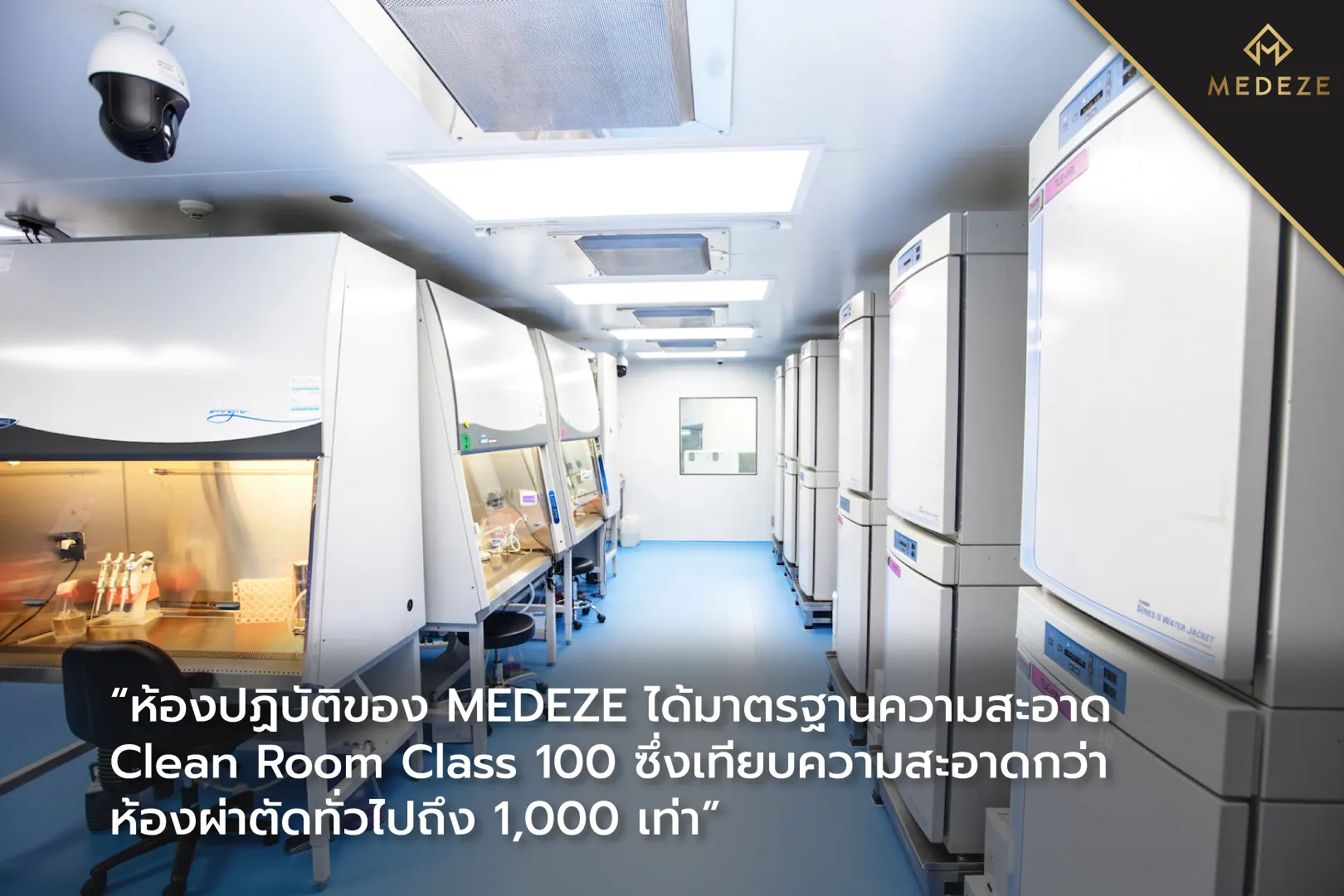
The stem cell storage facility is located on the first floor, surrounded by 30-centimeter-thick reinforced concrete walls built to international standards. The laboratory area is located on the fourth floor and covers more than 800 square meters, making it one of the largest stem cell laboratories in Southeast Asia. It operates as a Clean Room Class 100 facility, which is 1,000 times cleaner than a typical hospital operating room. The facility is capable of filtering all types of bacteria, ensuring that stored cells are handled under the highest standards of cleanliness and safety. Sterilization procedures include disinfectant cleaning and UV light treatment across all operational areas. Laboratory personnel must undergo a two-step cleansing and gown-changing process before entering the controlled environment.
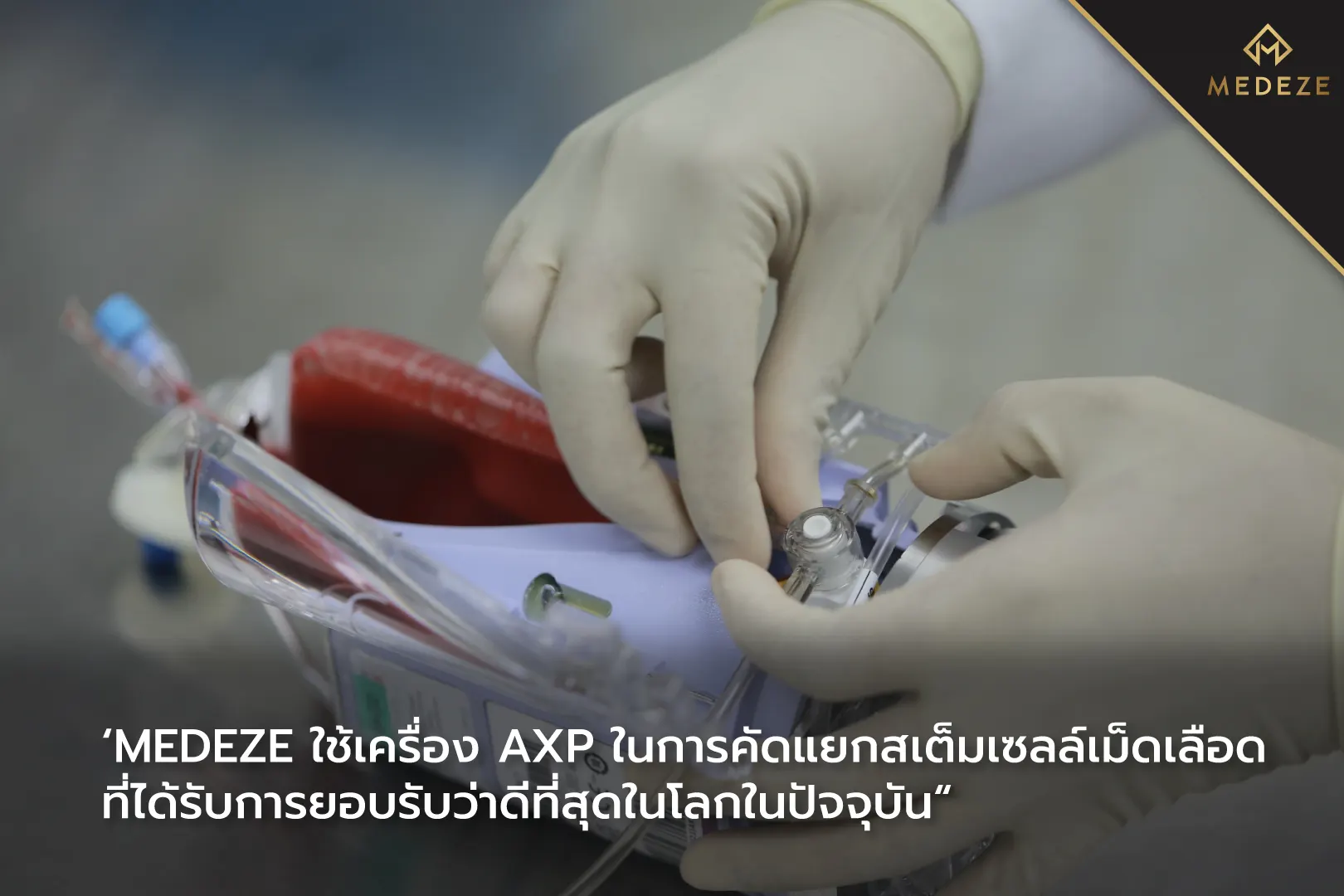
MEDEZE’s laboratory team consists primarily of stem cell specialists, including 5 PhD-level experts in stem cell science, 4 Master’s degree specialists, and nearly 50 biological science professionals in total. Dr. Veerapol has selected advanced equipment designed to minimize human handling and reduce the risk of errors. For blood-derived stem cells, MEDEZE utilizes the AXP system, recognized as one of the most advanced cord blood processing technologies available worldwide. For tissue-derived stem cells, processing is conducted in 48 Class 100 Clean Room cabinets. MEDEZE has also integrated the Quantum automated cell expansion system, a closed-system technology optimized for stem cell cultivation.
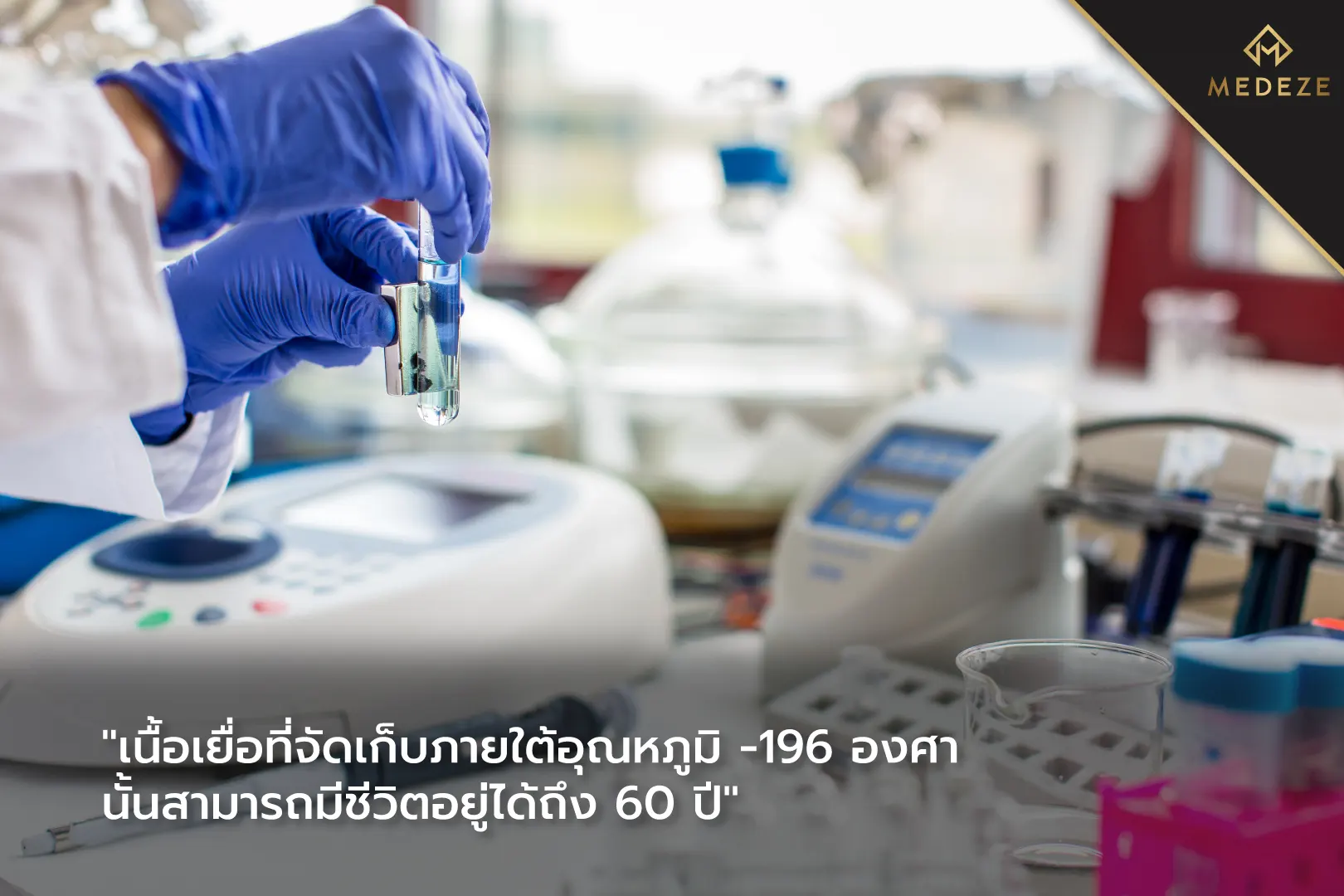
The tissue-derived stem cell process begins with isolating stem cells from collected tissue samples, such as umbilical cord tissue or adipose tissue. This step is important and directly affects the success of cell expansion. It requires experienced specialists and immediate processing, without freezing the tissue beforehand, to minimize cell loss and ensure the selection of the strongest, viable stem cells. Cells are cultured and monitored every three days, with culture media changes performed under carefully controlled conditions that like the human body environment. At MEDEZE, stem cell expansion is conducted using the automated Quantum closed system, which provides optimal conditions for cell growth. The entire process takes approximately 1–2 weeks to achieve the desired cell quantity, which is faster than conventional methods, which typically require 4–6 weeks. Cells are cryopreserved at –196°C in liquid nitrogen, combined with cryoprotectants to extend cell viability for up to 60 years. Each year, a reserved sample is thawed and reactivated for quality testing to ensure compliance with guaranteed storage standards.
Only a small portion of tissue is required for cultivation because stem cells can be expanded to the required quantity. However, stem cell quality depends on several factors, including age at the time of collection, underlying health conditions such as kidney disease, cancer, or diabetes. Individuals with certain medical conditions may require larger tissue samples. For optimal quality, stem cells should ideally be stored at a younger age, before 25 years old or before the onset of disease. This ensures the highest potential quality for future therapeutic applications.
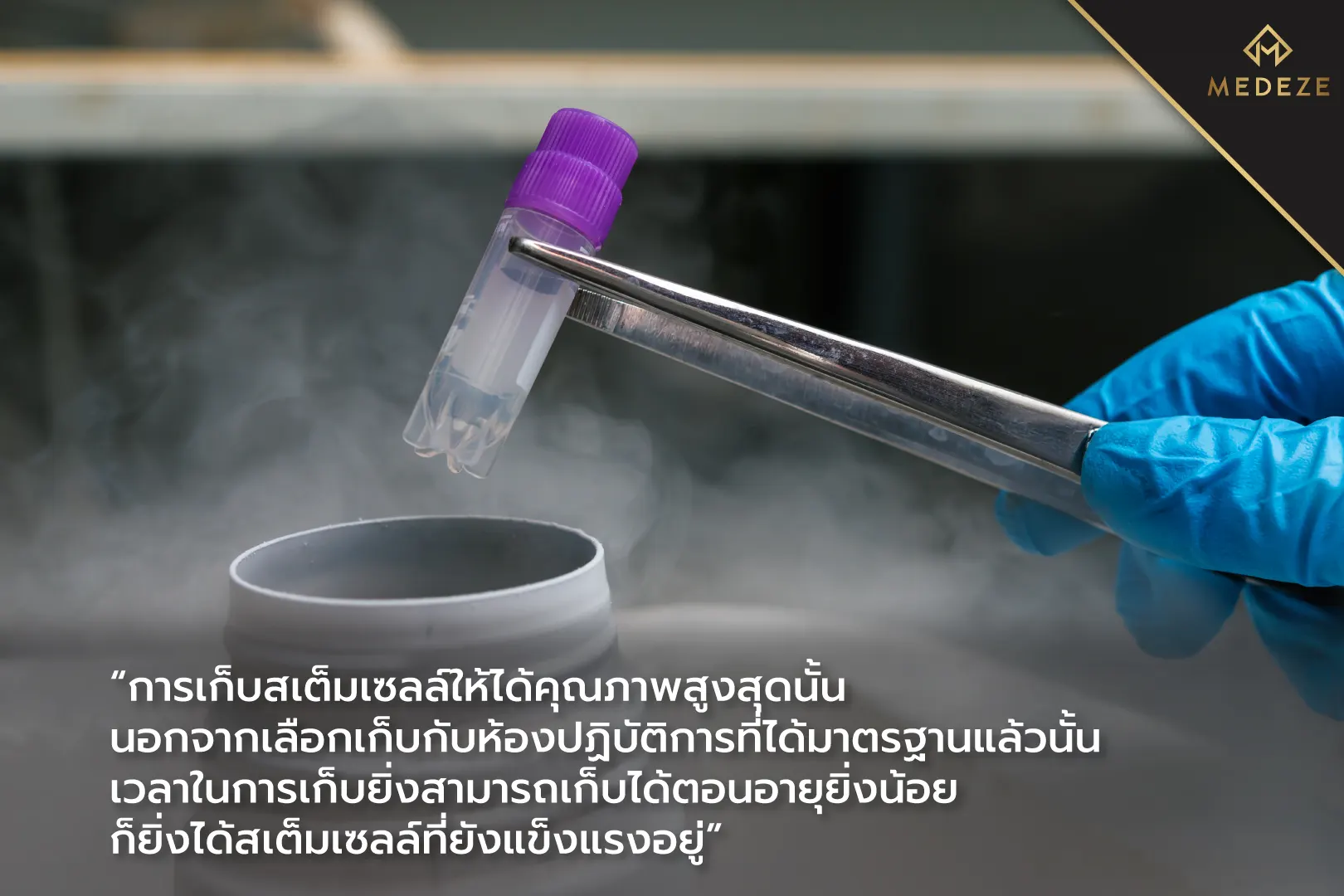
In theory, cells may be preserved for hundreds of years. Published medical data indicate that cells cryopreserved in liquid nitrogen at –196°C can remain viable for approximately 30–50 years. Tissue storage units are kept in secure vault rooms with fire protection systems and temperature monitoring every 15 minutes to prevent damage in case of power fluctuations or emergencies.
To retrieve stored stem cells, clients must provide proper documentation and medical indications before release. The withdrawal process can be completed within 7 days.
In addition, MEDEZE is offering a new service, which is Hair Follicle Stem Cell Storage. Hair thinning and hair loss commonly occur in men and can lead to a loss of confidence due to hormonal changes with aging. When men reach menopause, hair loss is inevitable. Individuals can preserve healthy hair follicle stem cells early and potentially use them for future hair restoration treatments when needed.