
Decoding the Vision of Medeze: A Leader in Human Biotechnology and Stem Cell Innovation with Dr. Veerapol Khemarangsan
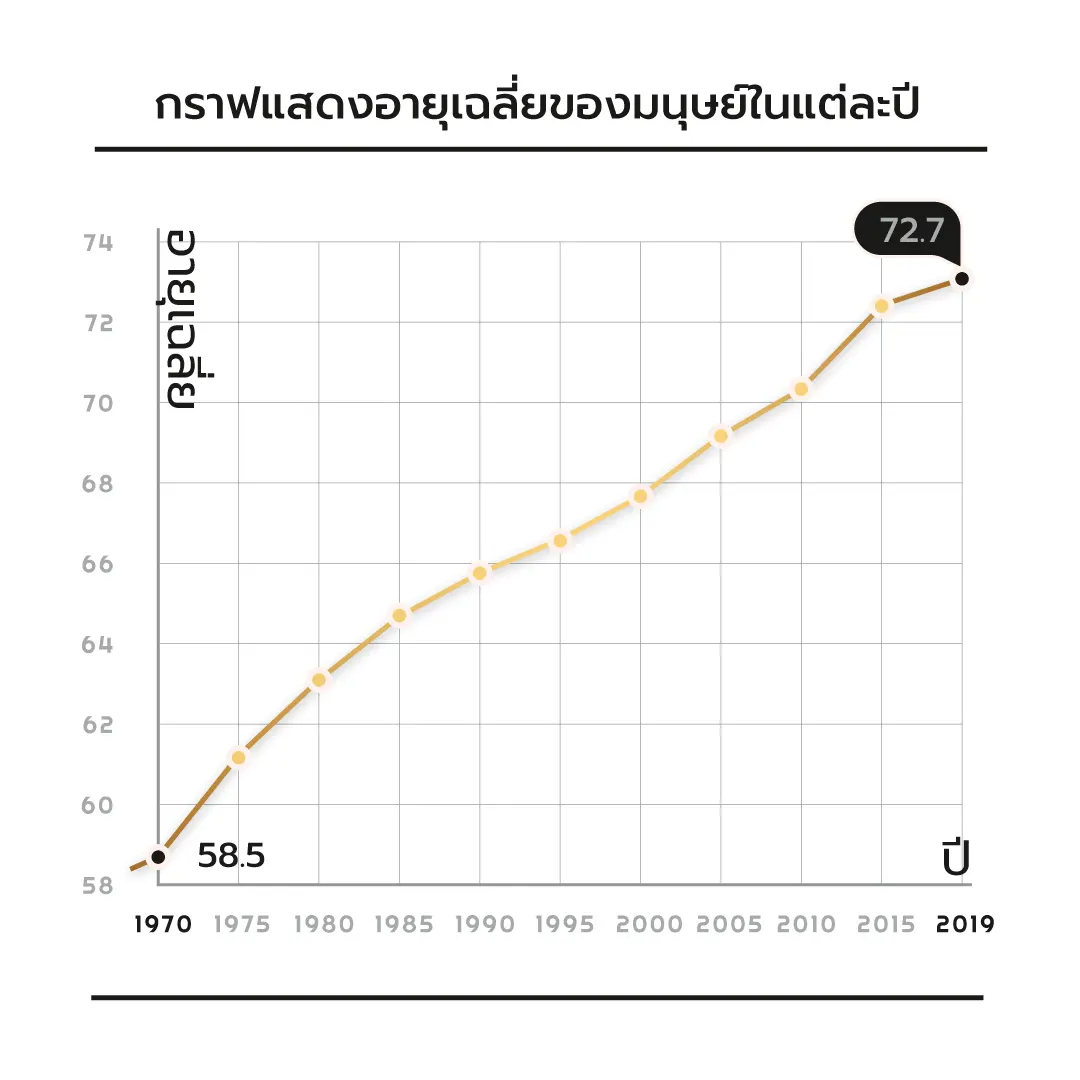
Over the past 50 years, average human life expectancy has increased from 58 to 72 years [1] largely due to advances in medical science, particularly biotechnology. These advancements including artificial intelligence, precision medicine, virtual reality technologies that enable broader telemedicine applications, and regenerative medicine aimed at restoring function in degenerative conditions through stem cell therapy [2,3]
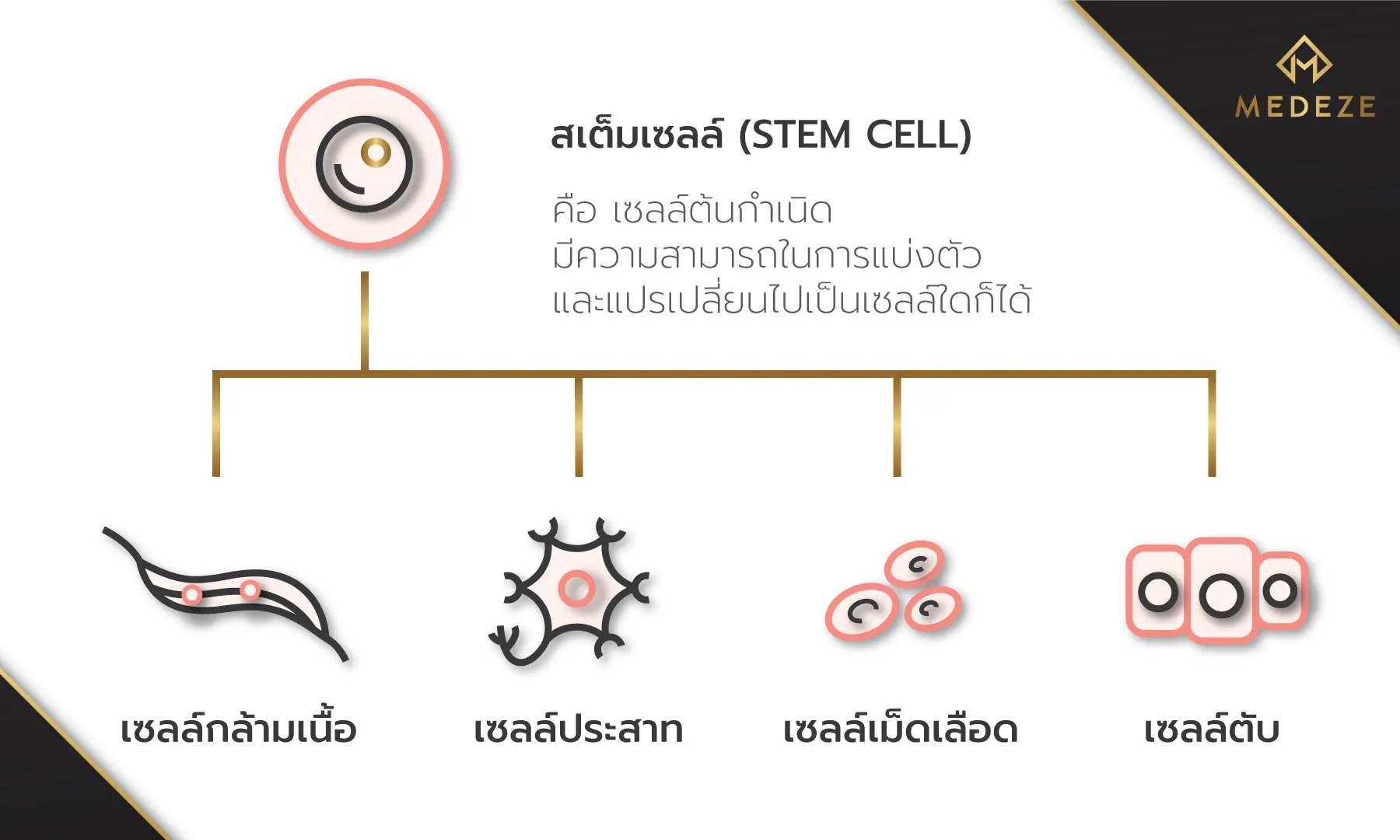
Despite significant technological advancements, most traditional medical treatments cannot effectively restore or replace damaged or deteriorating cells. However, stem cell therapy offers a fundamentally different approach, emphasizing cellular regeneration and replacement. This approach opens new possibilities for achieving longer, healthier lives.
All humans originate from stem cells, which initially divide and differentiate into specialized tissues with specific functions. Historically, stem cell therapy was limited mainly to bone marrow transplantation for blood disorders [3] , as bone marrow is one of the few remaining sources of adult stem cells capable of division. Most stem cells lose their ability to divide and transform once the body reaches adulthood.
Thanks to advancements in technology and strict quality control, stem cells can now be collected from umbilical cord tissue or adipose (fat) tissue while retaining their ability to differentiate into various cell types. Combined with modern cell expansion and long-term preservation technologies, the opportunities for stem cell treatment have expanded significantly.
Stem cell therapy primarily focuses on restoring and replacing cells damaged by aging or injury, regardless of the cause. Numerous medical studies across multiple disciplines have been published, including research on cardiac muscle regeneration after heart attacks, insulin-producing cell replacement for patients with diabetes, and even artificial corneal transplantation using stem cells [4]
The Doctor Driving the Advancement of Stem Cell Banking in Thailand
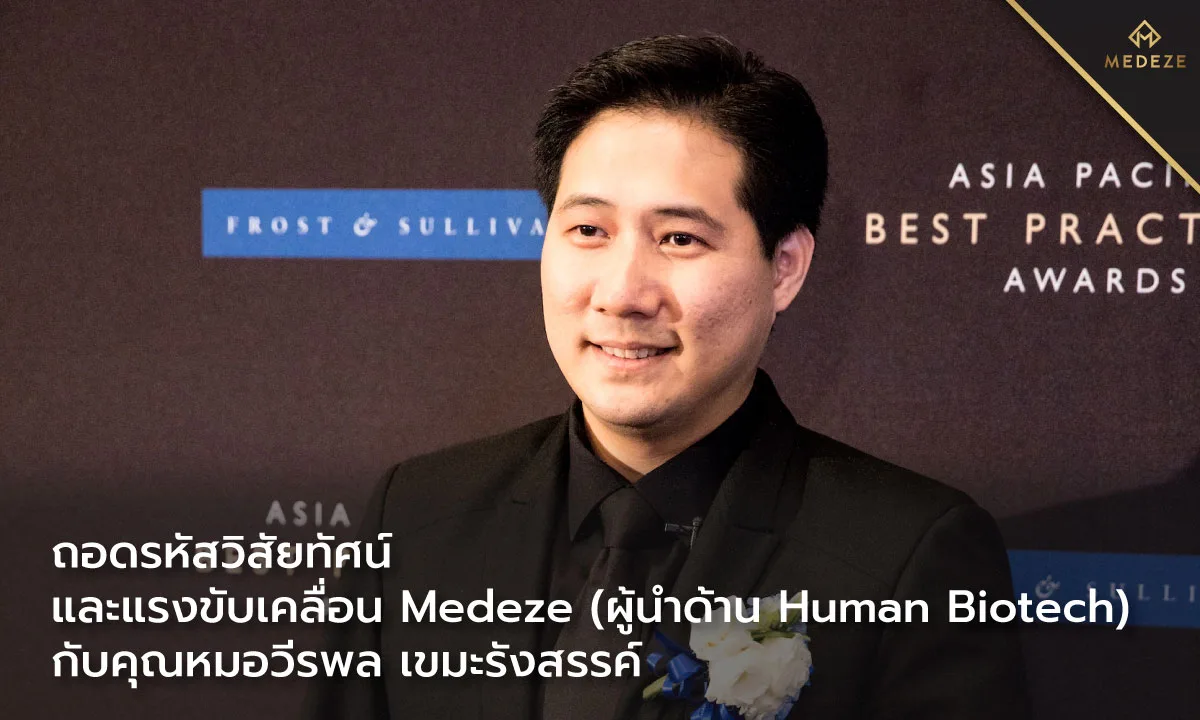
In Thailand, Medeze was founded by Dr. Veerapol Khemarangsan with a clear commitment to becoming a leader in stem cell technology. Dr. Veerapol firmly believes that integrating advanced technology into medicine improves treatment quality and patient care.[5]
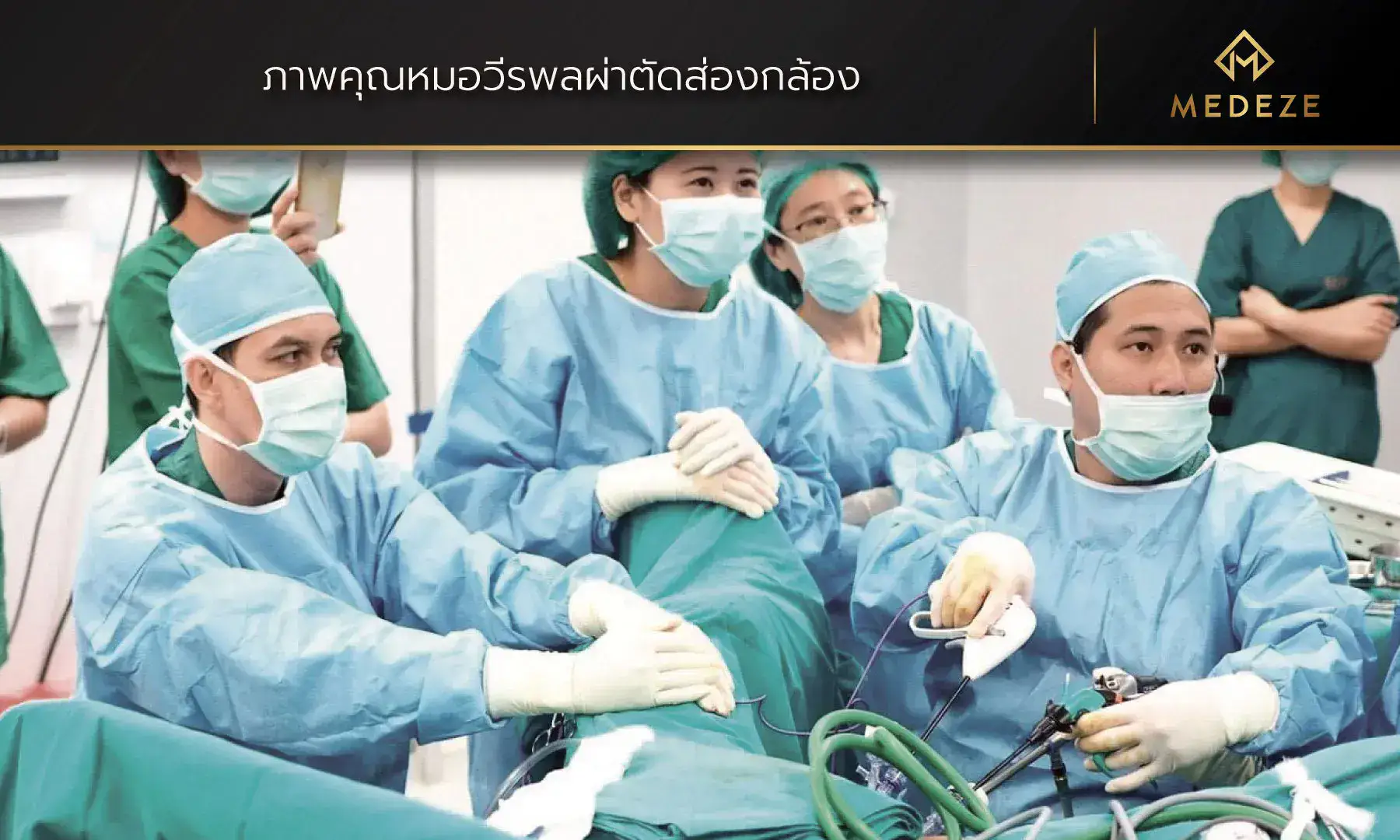
Beyond founding Medeze, Dr. Veerapol also serves as the Head of the Endoscopic Surgery and Diagnostic Center at Charoenkrung Pracharak Hospital in Bangkok. He is among the pioneering obstetricians and gynecologists who introduced minimally invasive laparoscopic surgery in Thailand. His development of scarless laparoscopic hysterectomy techniques has gained international recognition, enabling faster recovery and improved patient safety compared to conventional surgery
Historically, stem cell use in Thailand faced challenges, including substandard cell isolation and storage, leading to damaged cells that were unusable in practice. In some cases, stem cells were applied without sufficient medical evidence. Driven by the belief that stem cell technology represents the next transformative wave in medicine—offering hope for previously untreatable conditions and supporting longevity—Dr. Veerapol founded Medeze alongside a team of experienced physicians and scientists. Today, Medeze is a leader in Thailand’s stem cell industry, providing end-to-end services including cell collection, isolation, expansion, and storage using globally recognized standards.
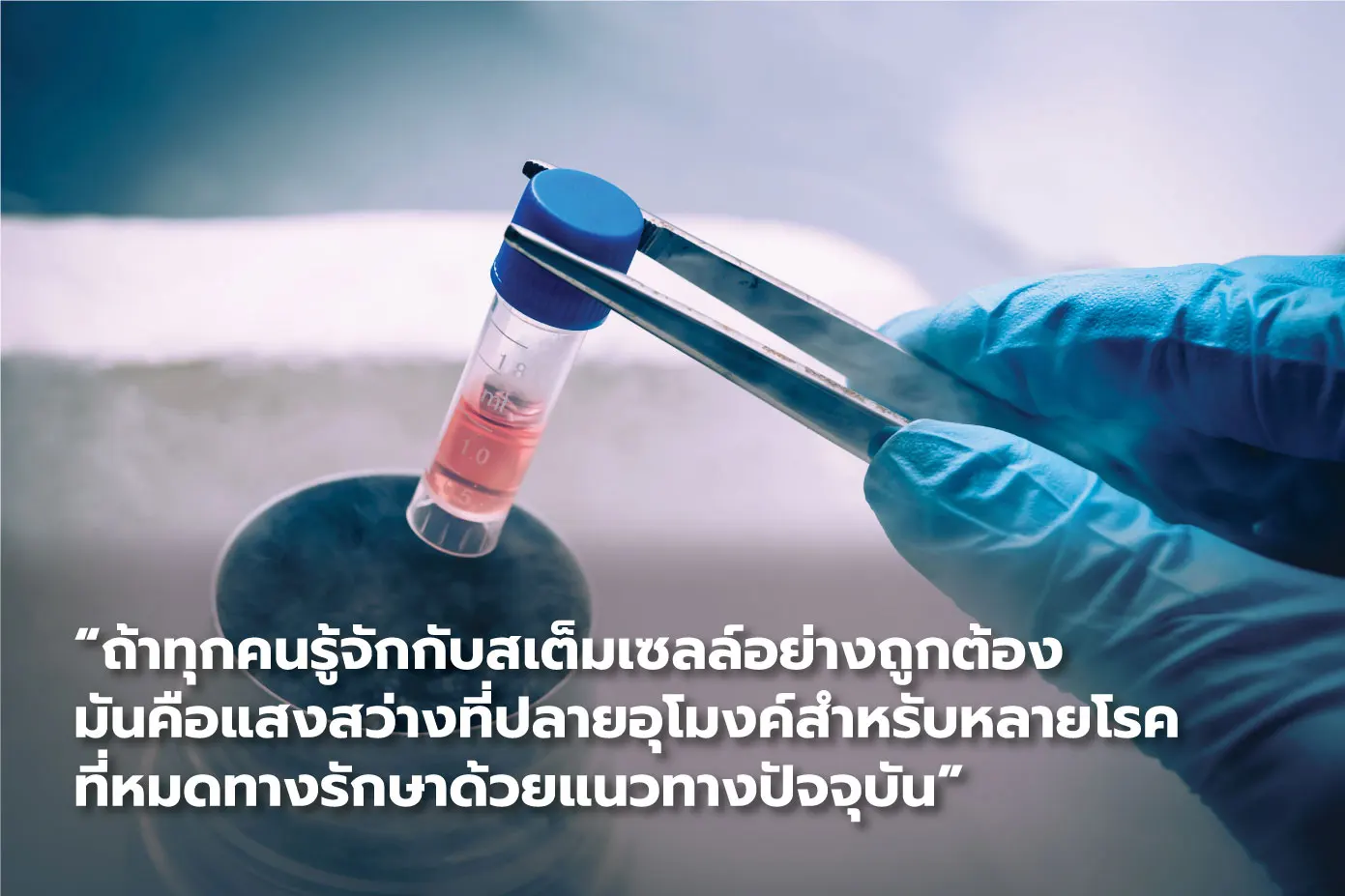
Beyond the Present: Building a Fully Integrated Stem Cell Ecosystem
With Dr. Veerapol’s forward-looking vision, stem cells are not only seen as a tool for cellular regeneration but also as a foundation for organ creation. Medeze is currently researching corneal reconstruction using stem cells in collaboration with leading medical institutions in Thailand, positioning the country alongside world-class centers in regenerative organ development [6]
The Future of Stem Cells from Dr. Veerapol’s Perspective
Stem cell therapy will increasingly serve as a complementary treatment alongside conventional medical approaches. Success depends on three critical factors. The first is that stem cell use must be supported by credible medical research and clinical studies. Then, stem cells may come from donors, from personal stem cell storage during good health, or from umbilical cord collection at birth to reduce immune rejection risks. Finally, High-quality isolation and preservation are essential to ensure stem cells remain viable when needed.
As more stem cell banking and processing facilities emerge, patients must carefully evaluate providers to ensure quality and safety at every stage.
Dr. Veerapol remains committed to making high-quality stem cell access achievable for Thai people, as evidenced by his previously elevated scarless laparoscopic surgery, which has earned global recognition. By 2026, Medeze aims to become a global leader in comprehensive stem cell regenerative services, covering cell isolation, storage, and expansion for future clinical use. The mission is to deliver “longer, healthier lives”, empowering individuals to live fully and happily with the people they love.

References
1) Max Roser, Esteban Ortiz-Ospina and Hannah Ritchie. Life Expectancy. [Online]. 2019. available at: https://ourworldindata.org/life-expectancy. [July 2021]
2) Cross D, Burmester JK. Gene therapy for cancer treatment: past, present and future. Clinical medicine & research. 2006 Sep 1;4(3):218-27.
3) Mayo Clinic Staff. Stem cells: What they are and what they do. [Online]. 2019. available at: https://www.mayoclinic.org/tests-procedures/bone-marrow-transplant/in-depth/stem-cells/art-20048117. [July 2021]
4) Zakrzewski W, Dobrzyński M, Szymonowicz M, Rybak Z. Stem cells: past, present, and future. Stem cell research & therapy. 2019 Dec;10(1):1-22.
5) ไทยรัฐออนไลน์. หมอไทยสร้างชื่อหลังโชว์ผ่าตัดมดลูกผ่านกล้องไร้แผลที่อินโดฯ. [Online]. 2018. available at: https://www.thairath.co.th/news/local/bangkok/1426685. [July 2021]
6) Podestà MA, Remuzzi G, Casiraghi F. Mesenchymal Stromal Cell Therapy in Solid Organ Transplantation. Frontiers in Immunology. 2021 Feb 10;11:3878.