
What is Adipose Tissue?
Can Fat Tissue Really Help with Anti-Aging?
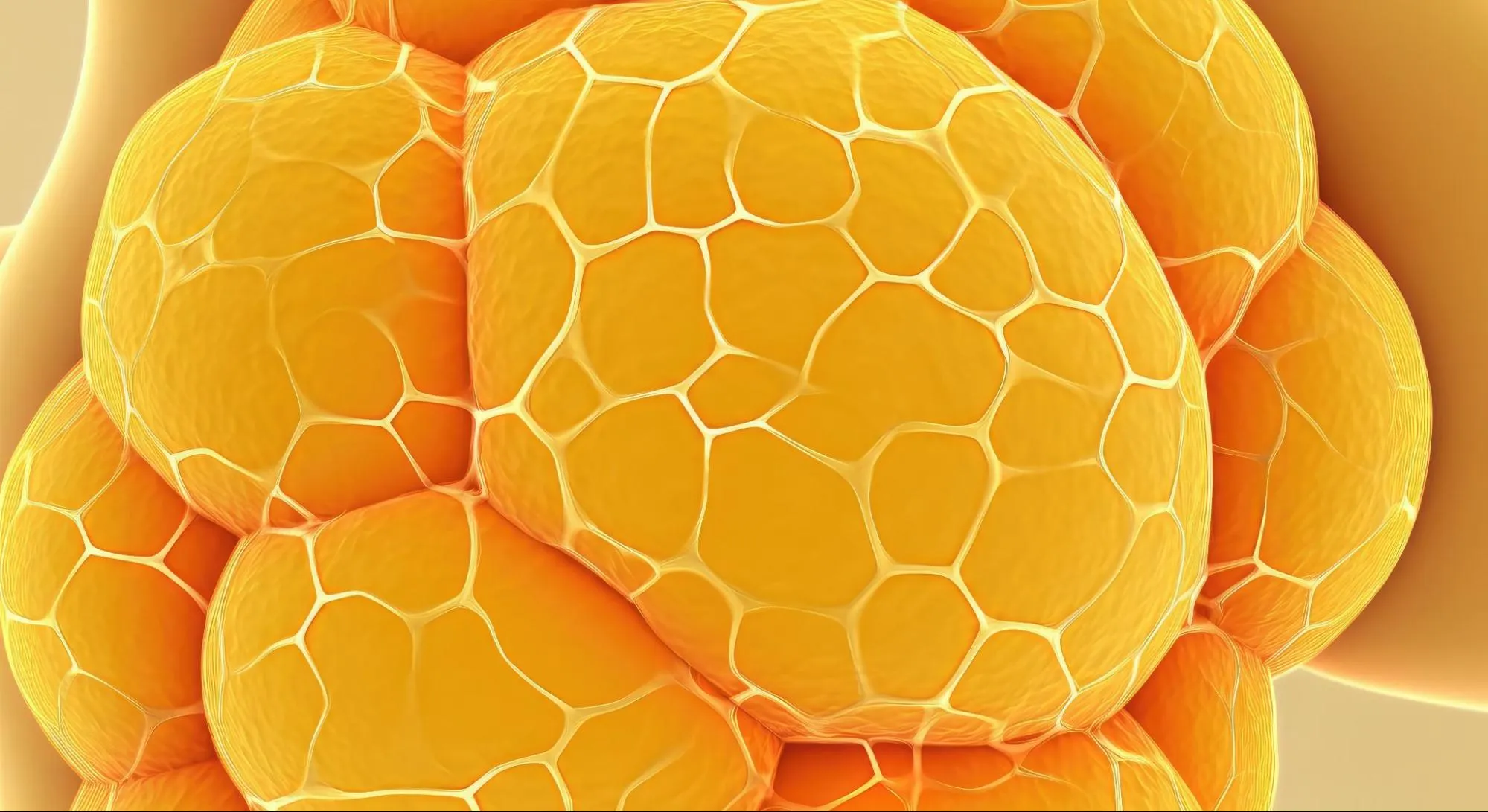
What is Adipose Tissue? The New Role of Fat Tissue in Future Regenerative and Anti-Aging Medicine
Many people may view Adipose Tissue, or body fat, simply as a site for energy storage. However, in the eyes of modern medicine, this tissue is gaining significant attention as a vital source of biological cells with immense regenerative potential. Specifically, Adipose-Derived Stem Cells (ADSCs) are being continuously studied for their transformative role in regenerative medicine.
In this MEDEZE article, we will take a closer look at Adipose Tissue from its natural functions in the body to its critical role in stem cell research and explore why this tissue has become a premier choice for long-term health maintenance and restoration.
Highlight
Adipose Tissue is a specialized connective tissue that functions to store energy, regulate body temperature, and provide a protective cushion for vital organs.
Adipose Tissue serves as a rich reservoir for Adipose-Derived Stem Cells (ADSCs), which possess the potential to regenerate and repair damaged tissues.
Therapeutic Applications of Adipose-Derived Stem Cells are currently a major focus in regenerative medicine research, aiming to develop innovative treatment pathways for the future.
Banking Adipose-Derived Stem Cells with a certified facility like MEDEZE GROUP offers a strategic option for proactive, long-term health planning.
What is Adipose Tissue?
Adipose Tissue is the body's fat tissue. Its primary function is to store energy in the form of fat, serving as a reserve energy source that the body can draw upon when needed. Additionally, it plays a vital role in maintaining body temperature and acting as a protective cushioning layer for internal organs.
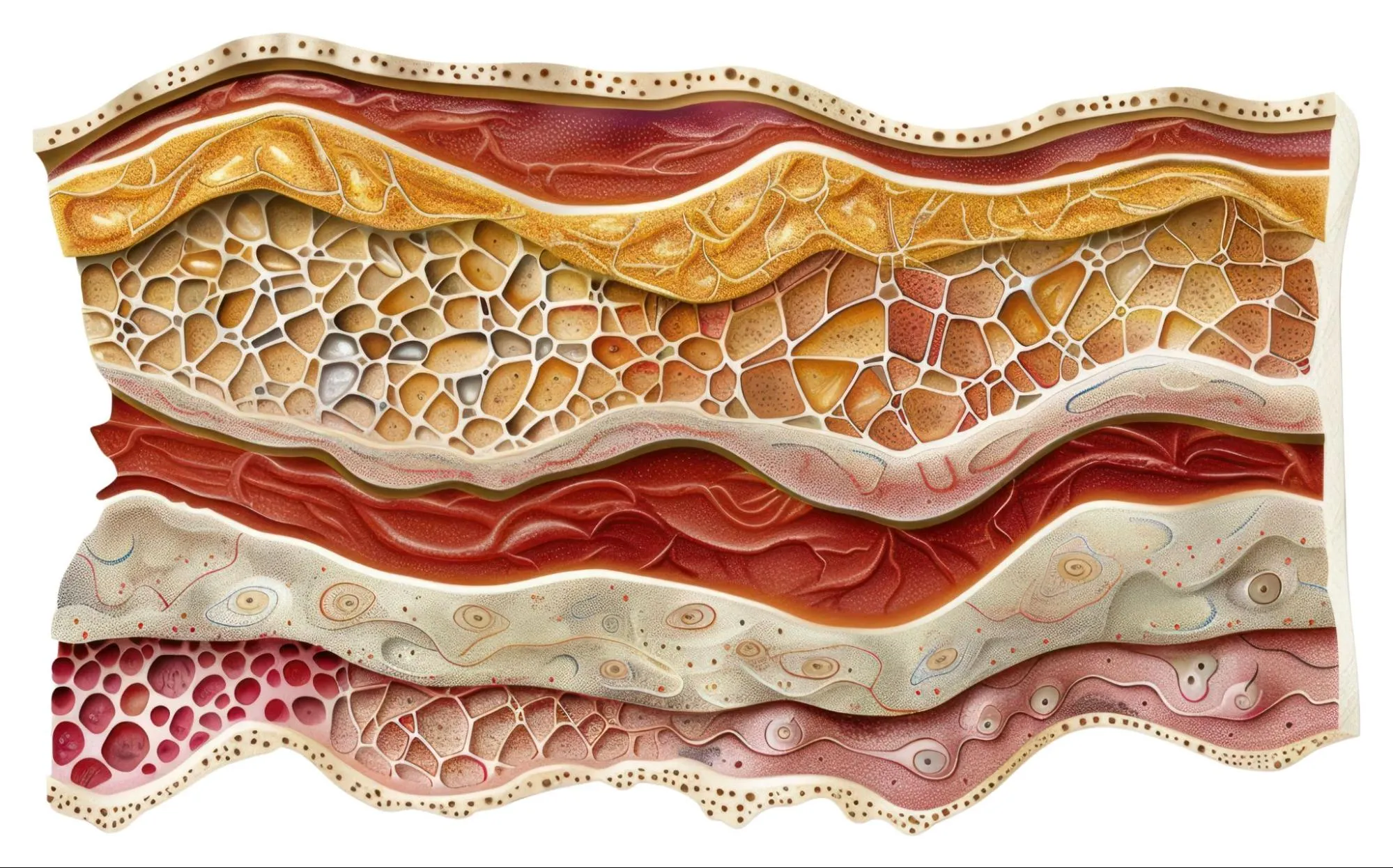
How Does Adipose Tissue Function Within Our Body?
Adipose tissue, or fat tissue, is integral to energy systems, temperature regulation, and hormonal balance. The primary functions of adipose tissue include:
Storing the Body's Energy Reserves Adipose tissue stores excess energy from food in the form of triglycerides to be used whenever the body requires fuel.
Regulating Body Temperature The subcutaneous fat layer acts as insulation, reducing heat loss and helping to maintain a stable core body temperature.
Protecting Internal Organs Fat tissue serves as a shock-absorbing cushion for vital organs such as the heart, liver, and kidneys.
Functioning as an Endocrine Organ It secretes various hormones and biomolecules, such as leptin and adiponectin, which play key roles in appetite control, metabolism, and energy balance.
Influencing Metabolic Health and Longevity The amount and functionality of adipose tissue can impact the metabolic system, body weight, and the risk of metabolic conditions such as obesity and diabetes.
Where Is Adipose Tissue Found in the Body?
Adipose tissue, or fat tissue, is distributed across various regions of the body, with each location playing a distinct functional role. Common areas include:
Subcutaneous Fat The fat layer located directly under the skin.
Visceral Fat Fat that surrounds and protects internal organs.
Intramuscular Fat Small amounts of fat interspersed within muscle fibers.
Additionally, Adipose Tissue can be found in other specific locations, such as:
Bone Marrow Found within the central cavities of bones.
Breast Tissue Providing structure and support for the mammary glands.
Intermuscular Spaces Located between different muscle groups.
Epicardial Fat Found surrounding the heart.
Orbital Fat Located within the eye sockets to cushion the eyes.
Palm and Sole Fat Located in the palms of the hands and soles of the feet.
How many types of Adipose Tissue are there?
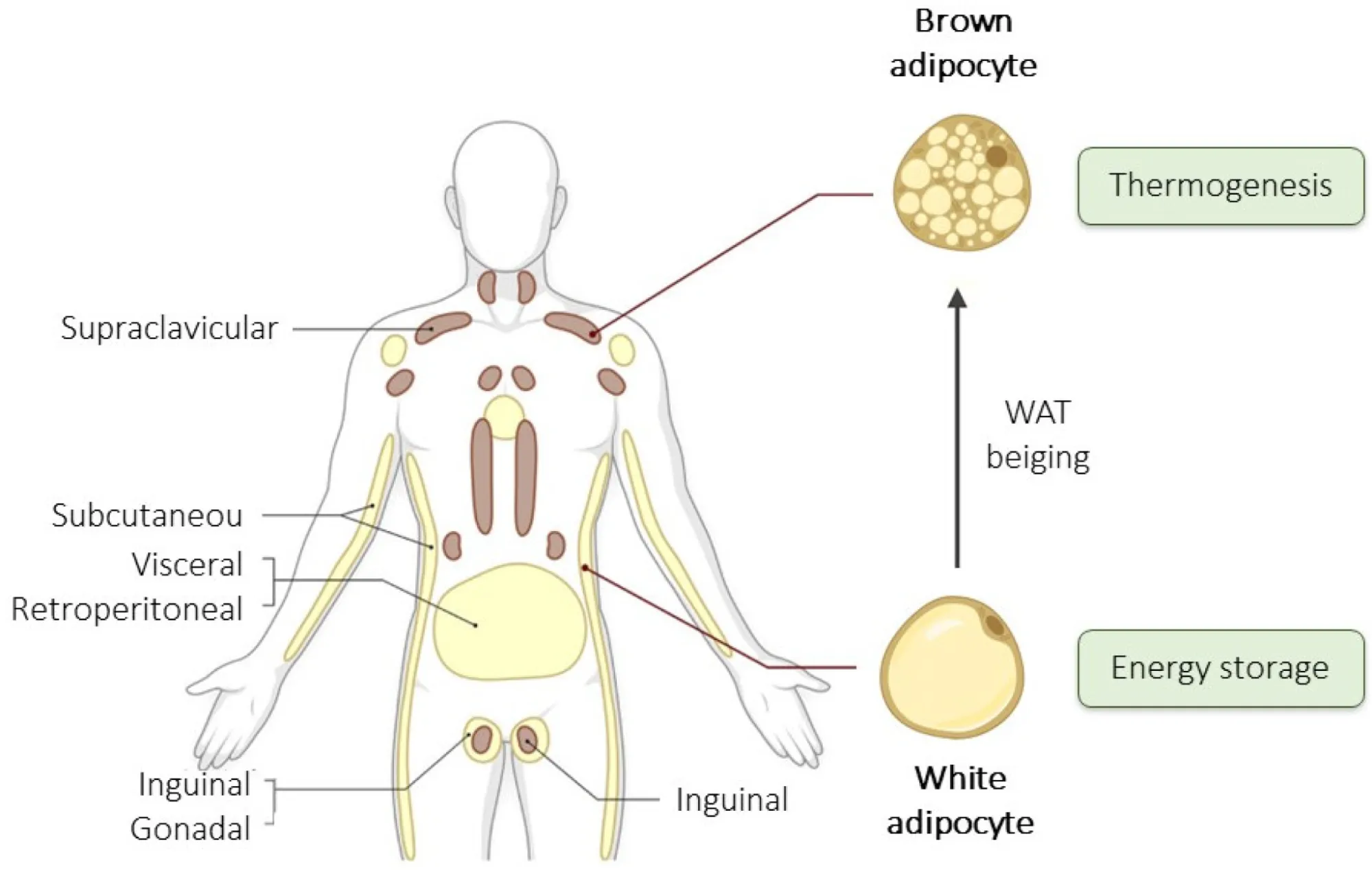
ขอบคุณรูปภาพจาก mdpi.com
Adipose Tissue can be classified into two primary types based on their cellular function and structure:
White Adipose Tissue (WAT) This is the most abundant type of fat found in the body. Its primary functions include storing energy in the form of fat, maintaining body temperature, and acting as a cushion to protect internal organs.
Brown Adipose Tissue (BAT) This type of fat plays a crucial role in thermogenesis (generating heat). It burns energy to help maintain the body's core temperature and is typically found in high amounts in newborns, while only small traces remain in adults.
Why is Adipose Tissue the Choice for Modern Regenerative Medicine?
Adipose Tissue, or fat tissue, does more than just store energy and protect internal organs; it is a vital reservoir for a specific type of stem cell known asAdipose-Derived Stem Cells (ADSCs).These are multipotent stem cells extracted from fat tissue that are currently gaining immense traction in the field of Regenerative Medicine.
The reasons why adipose tissue has become a cornerstone of modern medical stem cell sources include:
A Rich and Abundant Source of Fat tissue is one of the most prolific sources of stem cells in the body, providing a high yield that is ideal for medical research and the development of advanced clinical technologies.
Convenient and Accessible Collection Harvesting adipose tissue involves relatively straightforward medical procedures compared to other sources, making it an easily accessible supply of high-quality stem cells.
Powerful Potential for Tissue Regeneration and Repair ADSCs possess the innate ability to support tissue repair, reduce systemic inflammation, and stimulate the body's natural cellular healing processes.
A Pivotal Role in Modern Regenerative Therapy Numerous global studies are currently exploring the therapeutic applications of ADSCs for regenerating damaged tissues and developing innovative treatment pathways for various diseases in the future.
Because of these factors, adipose tissue is recognized as a high-potential stem cell source that continues to play an increasingly significant role in modern medical research and biotechnology.
Conclusion
Adipose Tissue, or fat tissue, is far more than just an energy reservoir for the body. it plays a critical role in metabolic systems, temperature regulation, and the protection of internal organs. From the perspective of modern medicine, this tissue is now recognized as a vital source of stem cells, specifically Adipose-Derived Stem Cells (ADSCs). These cells are garnering significant interest in regenerative medicine due to their potential to repair tissues, reduce inflammation, and support natural cellular recovery processes.
In Thailand, MEDEZE Group stands as a leading stem cell bank, utilizing international-standard storage technologies. We focus on the safe isolation and preservation of stem cells within certified laboratory systems to ensure they maintain their quality and efficacy for future research or healthcare needs. This reflects the essential role of stem cell
For those wondering where to store stem cells, MEDEZE offers a clear answer through internationally recognized standards, including ISO 9001:2015 certification and AABB accreditation. Our advanced technologies—such as the AXP AutoXpress® Platform and state-of-the-art cryopreservation—ensure precision, safety, and reliability at every stage of cell processing and storage.
Frequently Asked Questions (FAQs)
How do Adipose Tissue stem cells differ from other sources?
Adipose tissue is a source of Adipose-Derived Stem Cells (ADSCs), which are distinct because they are available in relatively high quantities and can be collected at any stage of life. This differs from other stem cells, such as those from newborns, which can only be harvested immediately after birth.
Is extracting stem cells from adipose tissue safe?
The extraction of stem cells from adipose tissue is a medical process that must be performed by physicians and specialists under appropriate medical standards. Generally, the procedure involves collecting a small sample of fat tissue, which is then processed, isolated, and stored in a certified laboratory to maintain the quality and viability of the cells. โดยทั่วไปจะใช้หัตถการในการเก็บตัวอย่างเนื้อเยื่อไขมันในปริมาณเล็กน้อย จากนั้นจึงนำไปผ่านกระบวนการคัดแยกและจัดเก็บในห้องปฏิบัติการที่ได้มาตรฐาน เพื่อรักษาคุณภาพของเซลล์
At what age can Adipose Tissue stem cells be collected?
Adipose-Derived Stem Cells (ADSCs) can be collected at any age. They are suitable for anyone seeking body restoration, treatment for degenerative diseases, or therapeutic applications in anti-aging and longevity.
References
https://my.clevelandclinic.org/health/body/24052-adipose-tissue-body-fat
https://www.mdpi.com/2073-4409/13/5/380