
Hip & Knee Osteoarthritis Recovery Using Autologous Adipose-Derived Stem Cells: Reported Outcomes
Background / Problem
Osteoarthritis most commonly affects the knee and hip and usually occurs in older adults, but about 7% of patients develop early-onset osteoarthritis following infection, trauma, or joint inflammation. These patients are often younger and still rely heavily on joint function, so joint replacement — which lasts only about 15–20 years — may not be appropriate.
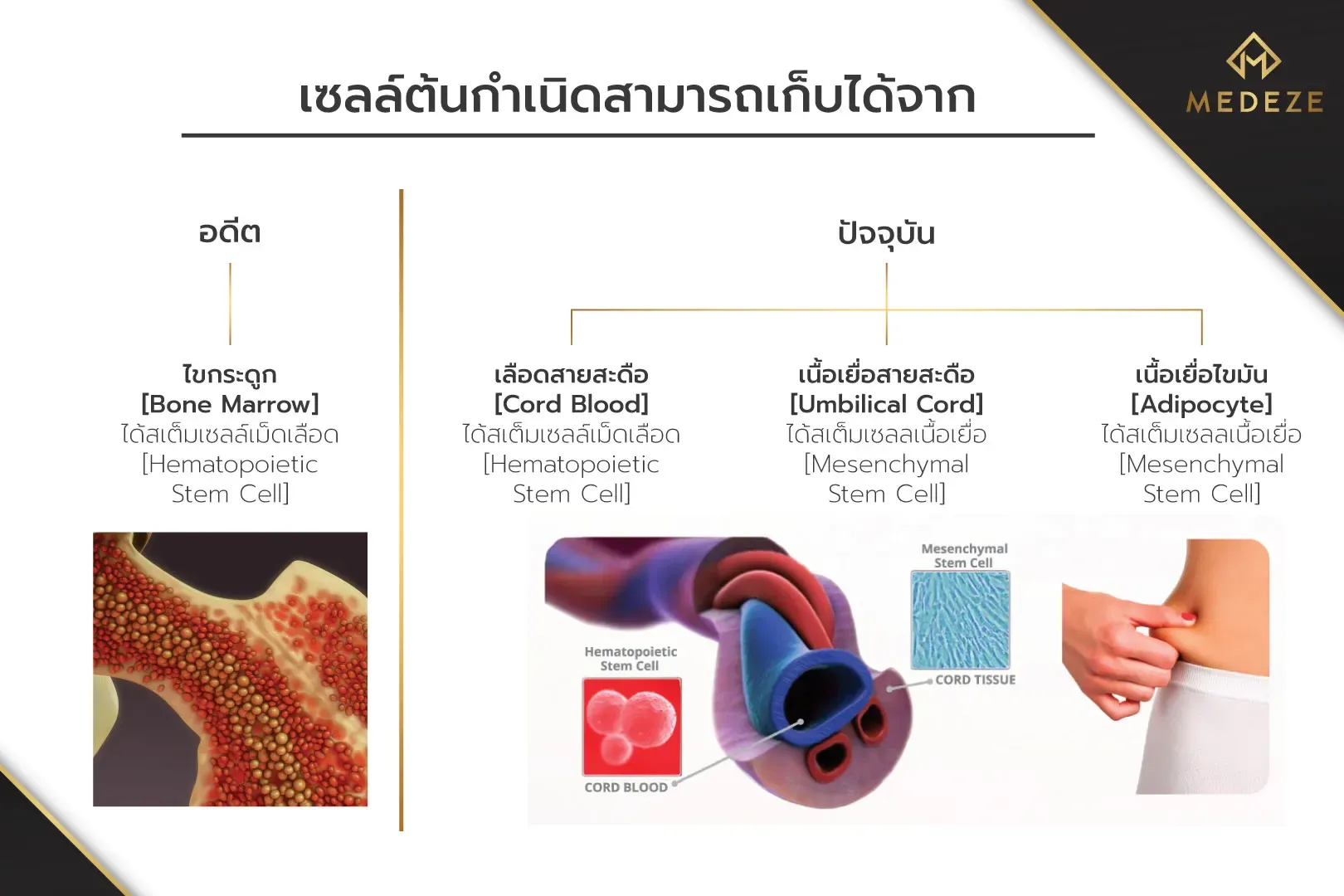
With advances in stem cell isolation and processing, autologous adipose-derived stem cells (from the patient's own fat) have been used to regenerate degenerated joint cartilage, aiming to replace damaged surfaces and slow the progression of degeneration.
Approach
The approach harvests the patient's own adipose tissue, isolates the stem cells, and injects them into the degenerated joint. Some studies combine this with artificial joint lubricant (viscosupplementation), with follow-up on new bone/cartilage formation, pain, and mobility.
- 1Harvest the patient's adipose tissue via a minimally invasive procedure
- 2Isolate the stem cells in a closed-system laboratory
- 3Inject cells into the degenerated joint (sometimes with viscosupplementation)
- 4Follow up on pain, mobility, and joint imaging
Reported Outcomes
A report from South Korea (Pak, 2011) studied four patients — two with hip osteoarthritis from avascular necrosis of the femoral head, aged 29 and 47, and two with knee osteoarthritis, aged 70 and 79 — who received intra-articular injections of their own adipose-derived stem cells combined with viscosupplementation. New bone and cartilage formation was observed in all four patients, along with reduced pain and improved joint mobility compared with before treatment.
- South Korea report: 4 patients (aged 29/47/70/79) showed new bone and cartilage formation
- Reduced pain and improved mobility compared with before treatment
- An option for those wishing to delay or avoid joint replacement surgery
Key Findings / Insights
- Using the patient's own (autologous) cells reduces the risk of immune rejection
- Well suited as an option for younger patients with early-onset osteoarthritis who wish to avoid surgery
- Outcomes depend on joint condition and disease stage and should be assessed and followed by a physician individually
References
- Pak J. Regeneration of human bones in hip osteonecrosis and human cartilage in knee osteoarthritis with autologous adipose-tissue-derived stem cells: a case series. Journal of Medical Case Reports. 2011;5(1):296.
- Centers for Disease Control and Prevention. Arthritis-Related Statistics. Jul 2018. https://www.cdc.gov/arthritis/data_statistics/arthritis-related-stats.htm
- Interview with patients treated for joint cartilage regeneration using stem cells, MEDEZE. https://www.medezegroup.com/en/news/stem-cell-interview-osteoarthritis
Related Resources
Frequently Asked Questions (FAQs)
Are stem cells from your own fat safer?
Using the patient's own (autologous) cells lowers the risk of immune rejection and is a well-studied approach in regenerative medicine. Consult a physician to assess individual suitability.